Wave or Particle? How Light Outgrew Both
Showing only ideas leading to #5823 and its comments.
See chronicle·See most recent related ideas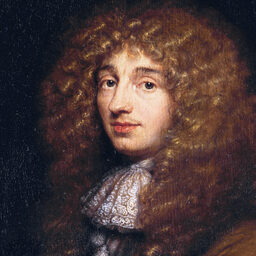
Light is a wave: a disturbance spreading through an invisible medium, the ether, as sound spreads through air. It travels more slowly in glass and water than in air, which is why its path bends as it enters them.
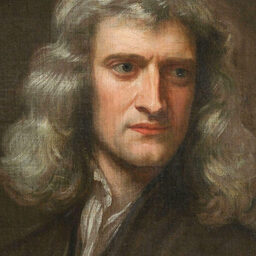
A wave would bend around an obstacle and spread into its shadow, as sound bends around a corner. But light casts sharp shadows.
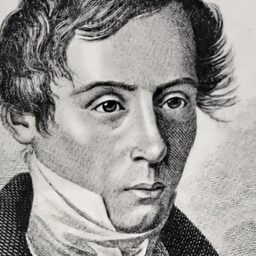
Light does bend into shadows, only very slightly, because its waves are so short. That makes the fine fringes along the edge of a shadow, and my calculation of the waves predicts exactly where they fall.
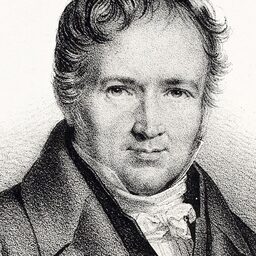
By Fresnel’s own calculation, the shadow of a small round disk would have a bright spot right at its center, as bright as if the disk weren’t there. That’s absurd.
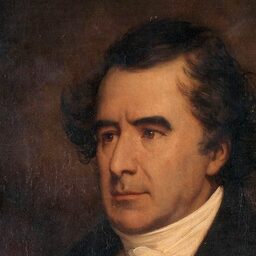
I put a small round disk in a narrow beam of light, and the bright spot is there, at the center of its shadow, just as Fresnel’s theory says.