Crimea and Kiev · August 21, 1914

War and Clouds Stop the Eclipse Expeditions

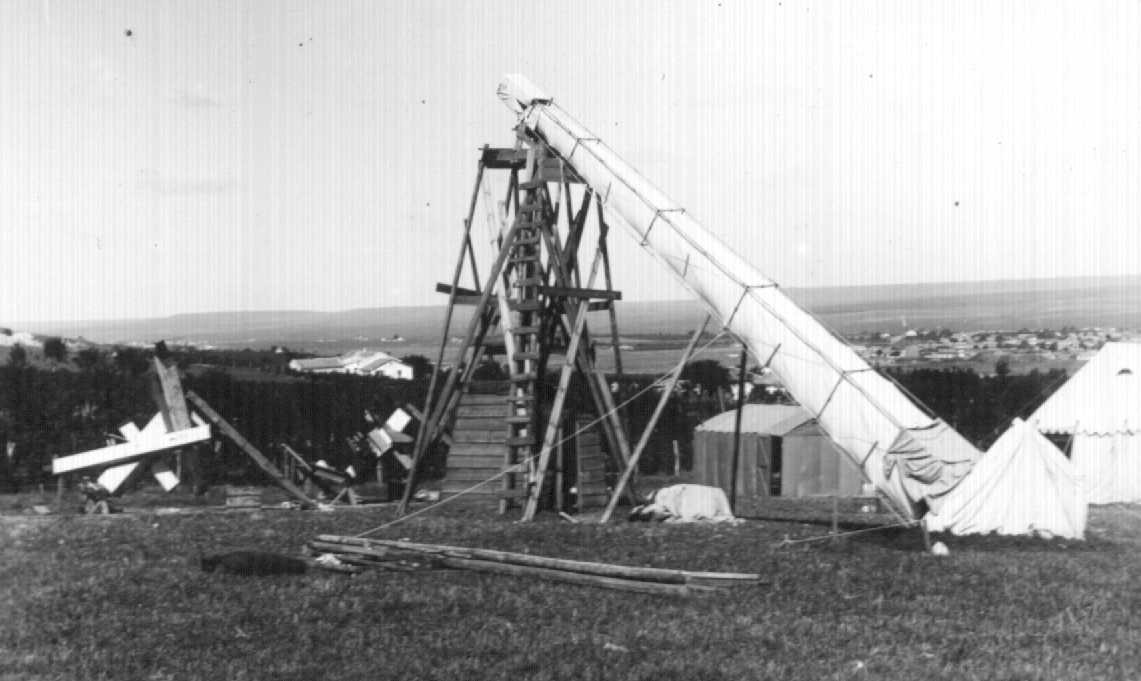
The Argentine team’s eclipse telescope at Feodosia, a week before the eclipse
The Argentine team’s eclipse telescope at Feodosia, a week before the eclipseCórdoba Observatory

A world war gets in the way of the test. Astronomers from several countries travel to the Russian Empire for the total solar eclipse of August 21, 1914, and three of the teams mean to test Einstein’s prediction. But the First World War has begun weeks earlier. Russia arrests the German team in Crimea, led by the German astronomer Erwin Freundlich, and takes their instruments. Freundlich is sent home weeks later in a prisoner exchange.

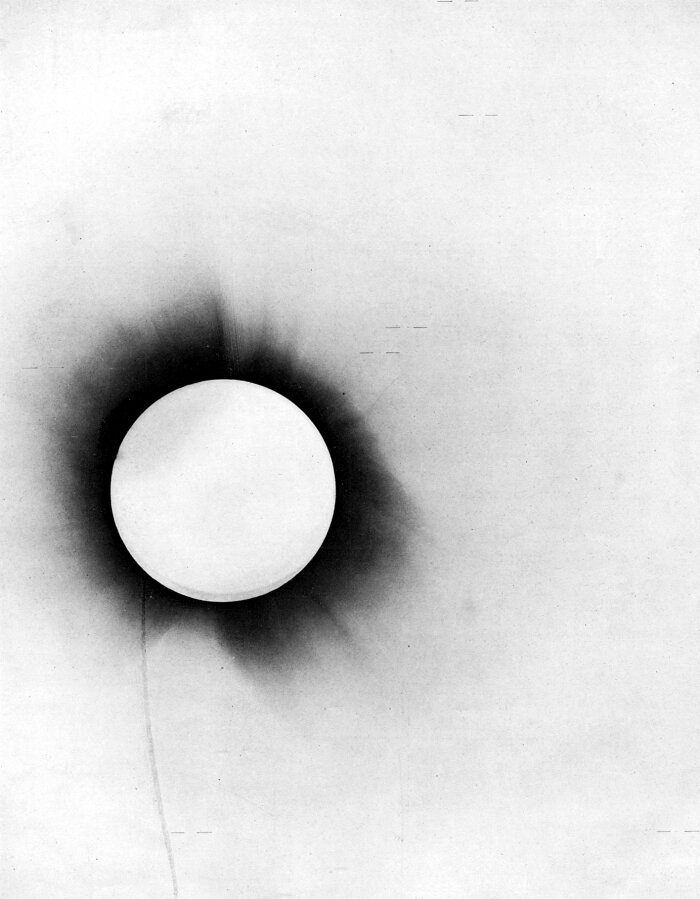
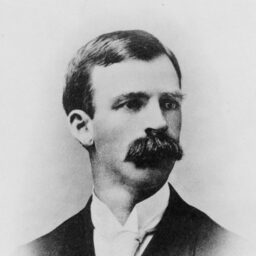
The other two teams are free to work, but clouds hide the Sun. One is Perrine’s team from Argentina, also in Crimea. The other is Campbell’s team from Lick Observatory near Kiev, with the American astronomer Heber Curtis. Einstein’s prediction stays untested. That gives him time to find a mistake in it: until late 1915, his calculation leaves out how gravity curves the space around the Sun.

Map of the path of the total solar eclipse of August 21, 1914, through Europe, from Scandinavia across the Russian Empire to the Black Sea, with the teams’ stations near Kiev and at Feodosia in Crimea Path of totality Lick Observatory team near Kiev German and Argentine teams Feodosia, Crimea
The eclipse is total only along a narrow path. In Europe, it runs from Scandinavia across the Russian Empire to the Black Sea. The teams set up where it crosses Crimea and passes near Kiev.

Comment on #5756 by William Wallace Campbell​·​#5757

Clouds covered the Sun during the eclipse, so we couldn’t measure how much the starlight was bent.

The state of the discussion

At this point, Newton’s law of gravity still has one pending criticism. Einstein’s early theory of gravity is still rationally adoptable.

Use arrow keys ← →, the Previous and Next buttons above, or the timeline below to move through the history.Swipe left or right, or use the Previous and Next buttons above or the timeline below, to move through the history.

Source: Jeffrey Crelinsten, Einstein’s Jury: The Race to Test Relativity (Princeton, 2006)

Researched and written with the help of AI, from the sources named. AI can make mistakes. Veritula doesn’t claim perfect historical accuracy; the sources are there to check against.

The full discussion

How Mercury and Starlight Overthrew Newton

Dennis Hackethal started this discussion 2 days ago.

Search​·​Activity

For two centuries, Newton’s law of gravity passed every test but one: a slight drift in Mercury’s orbit. Einstein’s explanation revolutionized our view of space and time.


Discussions can branch out indefinitely. You may need to scroll sideways.
The discussion as it was on August 21, 1914. Chronicle discussions are read-only. Jump to the present
Isaac Newton’s avatar
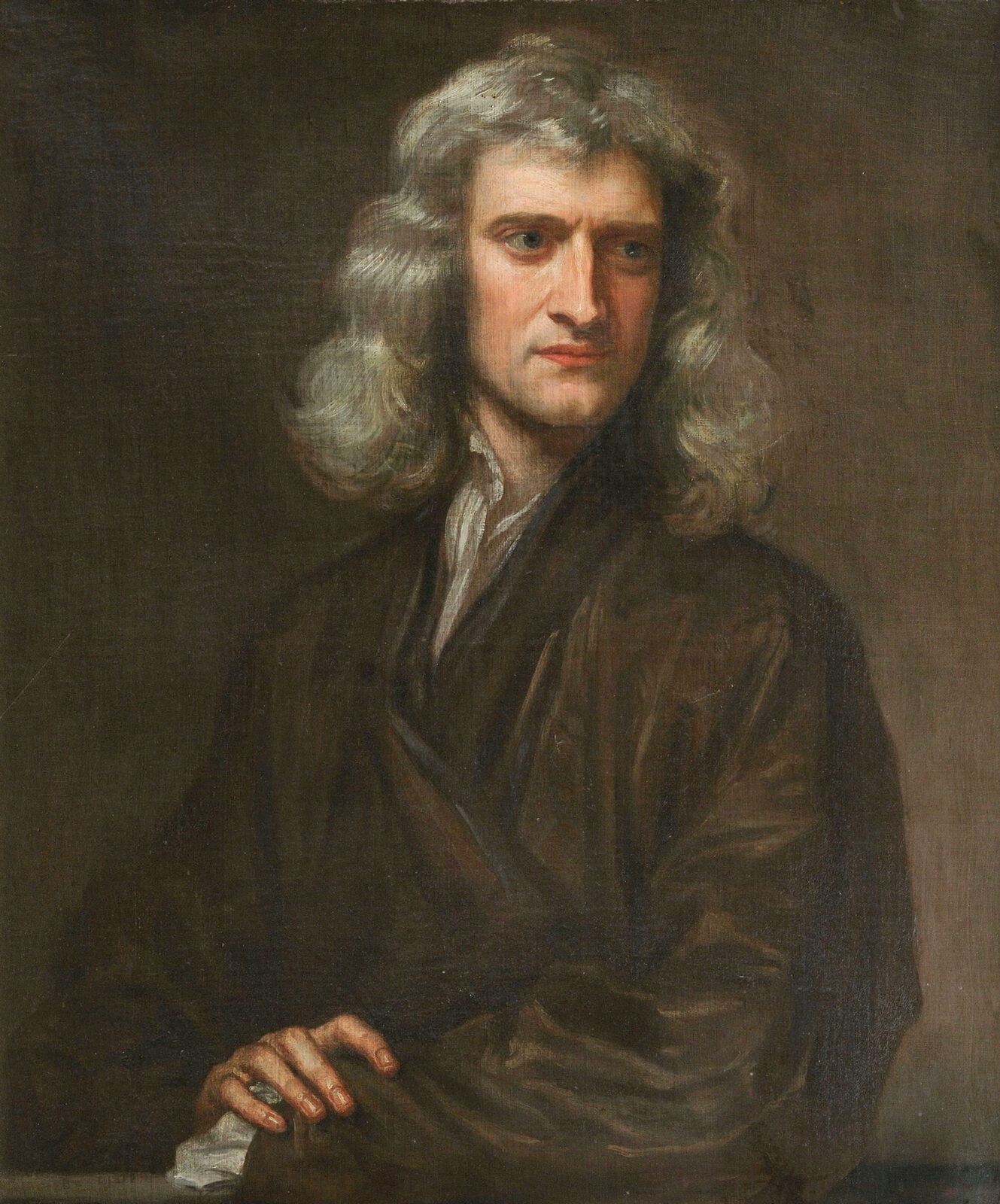
Isaac NewtonHistorical profile​·​#5752​·​July 5, 1687​·​AI-assisted

Every object pulls on every other object. The pull grows with their masses and weakens with the square of the distance between them. This one law explains the orbits of the planets and why things fall on Earth.

Criticized1
Urbain Le Verrier’s avatar
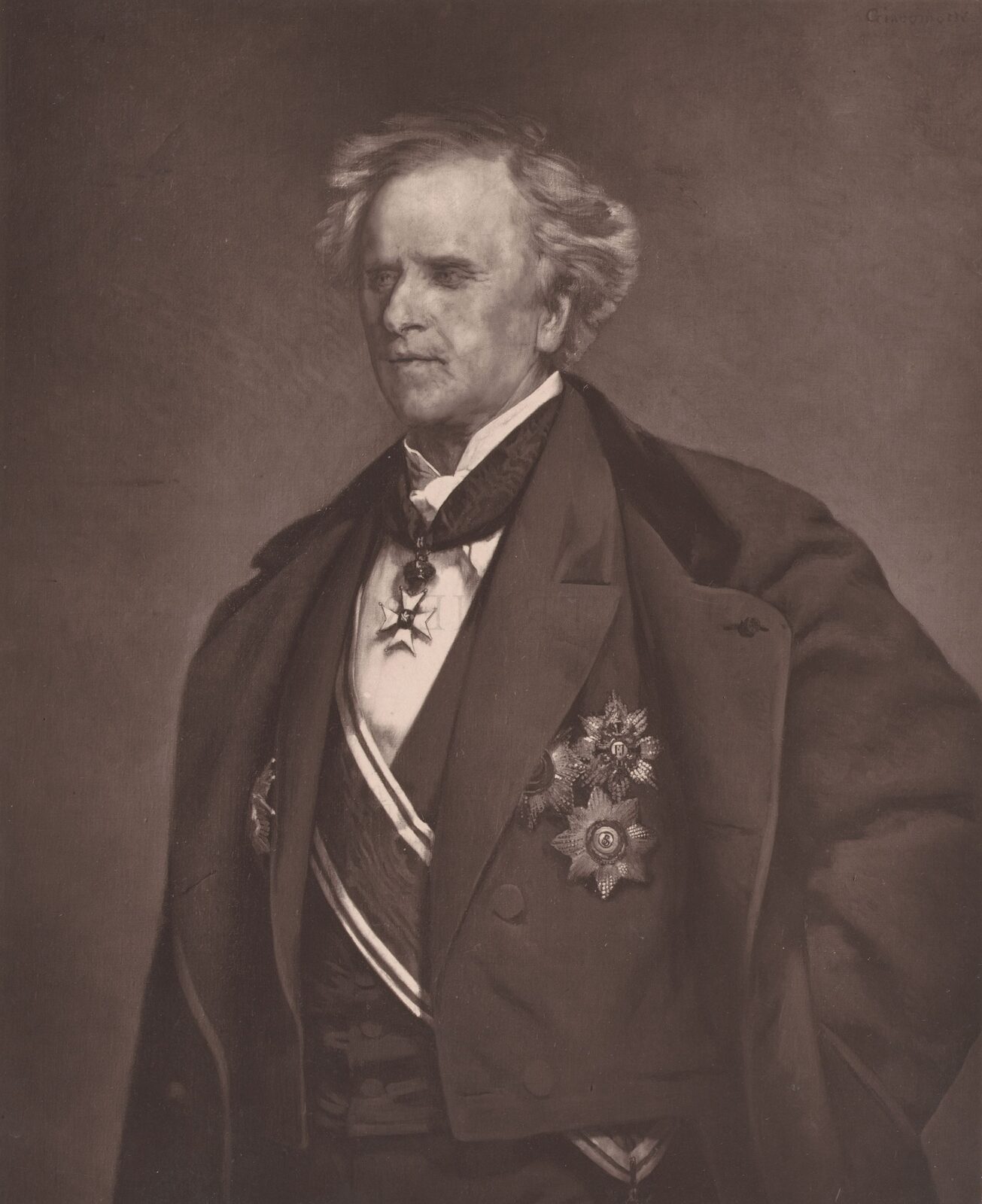
Urbain Le VerrierHistorical profile​·​#5753​·​September 12, 1859​·​AI-assisted

Mercury’s perihelion moves about 38 arcseconds per century more than Newton’s law predicts from the pull of the known planets.

Criticism of #5752
Urbain Le Verrier’s avatar
Urbain Le VerrierHistorical profile​·​#5754​·​September 12, 1859​·​AI-assisted

Newton’s law isn’t wrong. Unseen matter inside Mercury’s orbit, a planet or a ring of small bodies, would explain the difference. That’s how the unseen Neptune explained the odd motion of Uranus.

Criticism of #5753Criticized1
William Wallace Campbell’s avatar
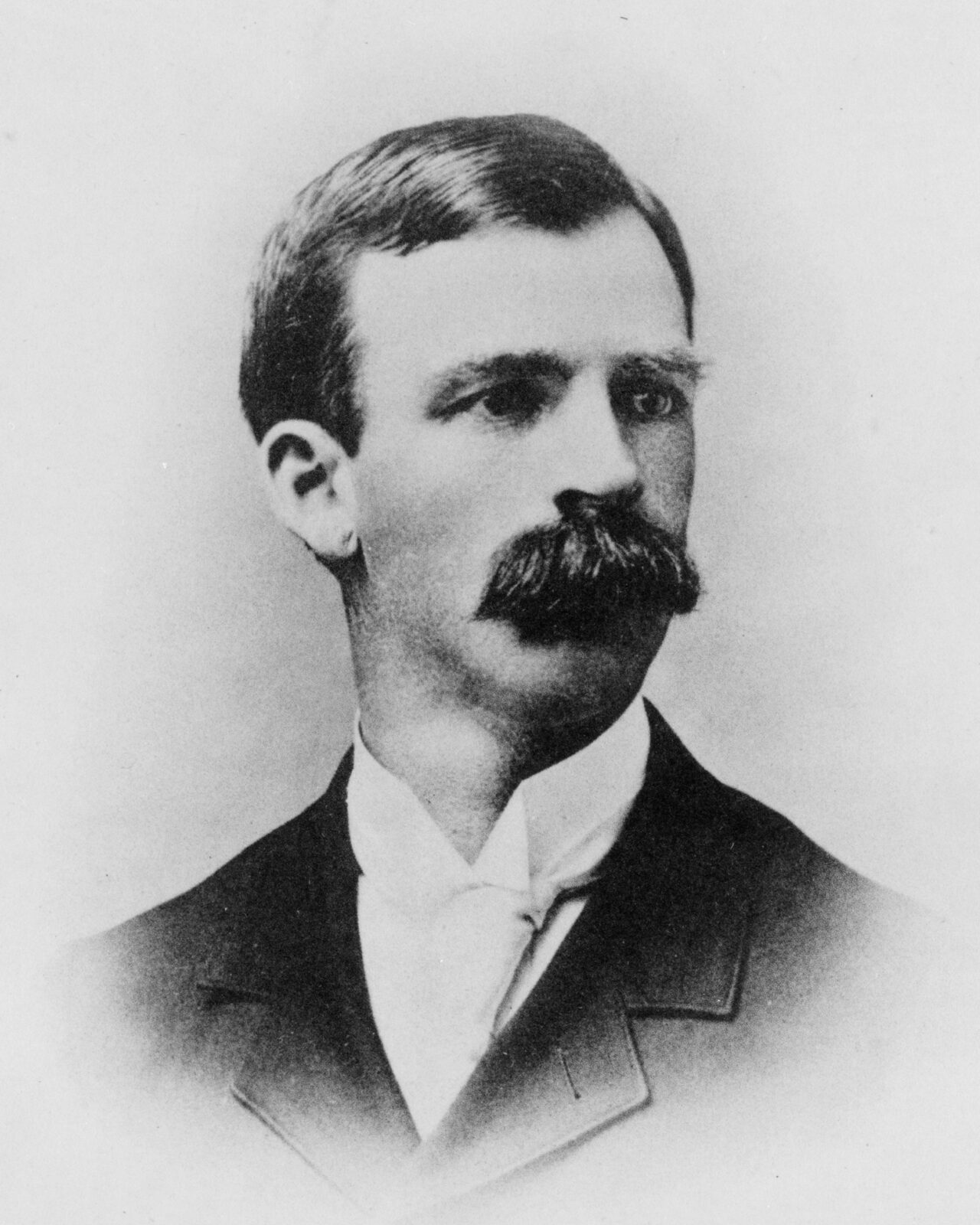
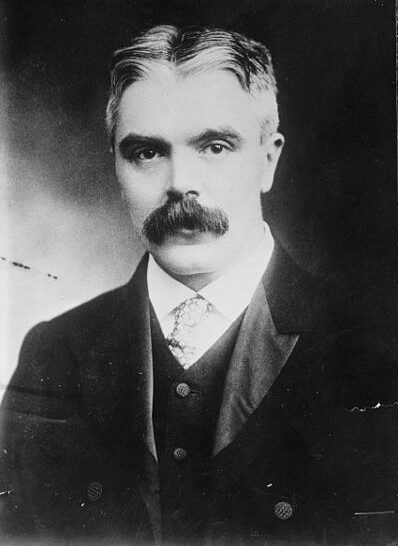
William Wallace CampbellHistorical profile​·​#5755​·​May 1909​·​AI-assisted

Photographs from the eclipses of 1901, 1905, and 1908 show no planet inside Mercury’s orbit big enough to explain its motion. Whatever moves Mercury’s perihelion, it isn’t a planet, or anything else bright enough to photograph.

Criticism of #5754
Albert Einstein’s avatar
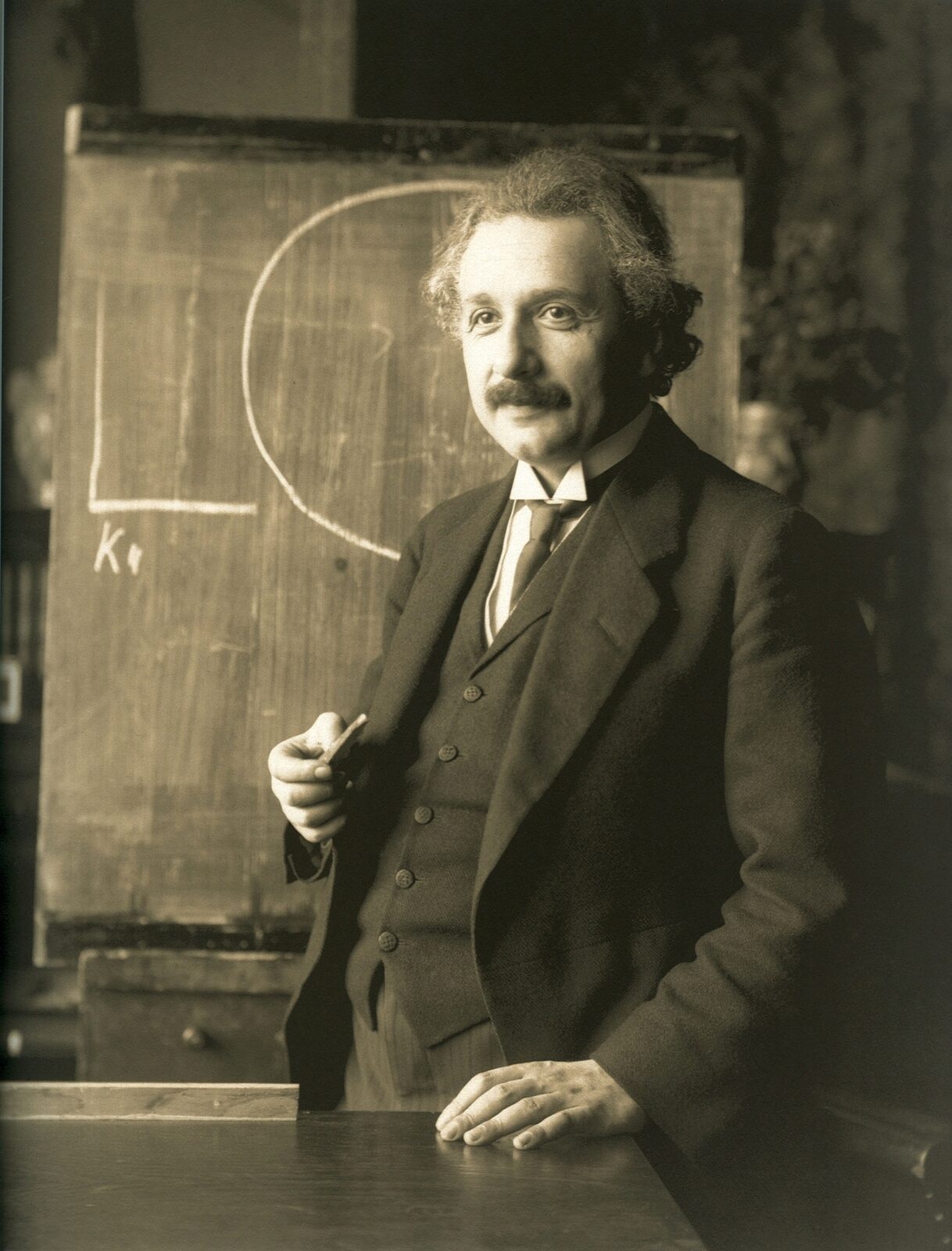
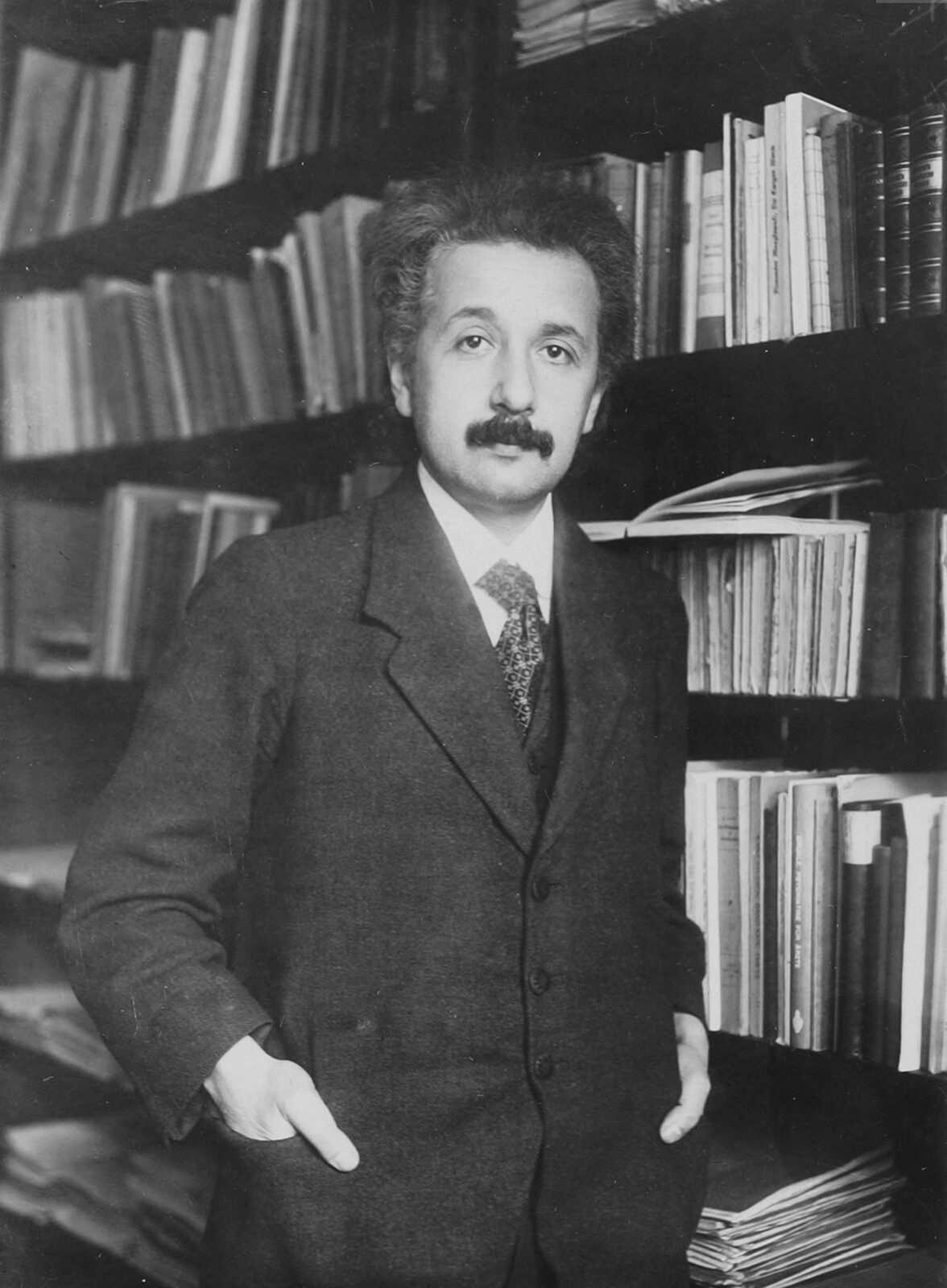
Albert EinsteinHistorical profile​·​#5756​·​June 1911​·​AI-assisted

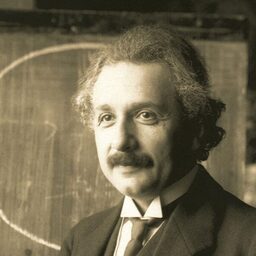
Gravity bends light. Starlight passing the edge of the Sun is bent by about 0.83 arcseconds.

William Wallace Campbell’s avatar
William Wallace CampbellHistorical profile​·​#5757​·​August 21, 1914​·​AI-assisted

Clouds covered the Sun during the eclipse, so we couldn’t measure how much the starlight was bent.

  • Rationally adoptable.
  • Not rationally adoptable.
  • Older versions with pending criticisms.
  • Ideas are blue, criticisms red, comments small and gray.
  • Hover over ideas to expand them.
  • Click on ideas to jump to their place in the discussion.