Can One Machine Do It All?
Showing only ideas leading to #5893 and its comments.
See chronicle·See most recent related ideas
The Analytical Engine can’t originate anything. It can do whatever we know how to order it to perform, and follow our reasoning, but it can’t anticipate any truths we haven’t worked out ourselves.
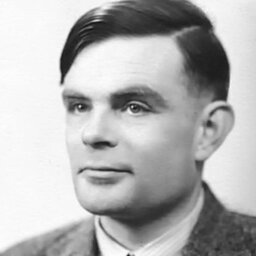
Machines will be able to think. The question “Can machines think?” is too meaningless to deserve discussion as it stands. Ask instead whether a machine can play the imitation game, passing for a person in typed conversation. In about fifty years, computers will play it so well that an average interrogator won’t have more than a 70 percent chance of telling them apart after five minutes of questioning, and one will be able to speak of machines thinking without expecting to be contradicted.
The argument from informality of behavior: no set of rules can say what a person should do in every conceivable circumstance. If people followed a definite set of rules of conduct, they’d be no better than machines. There are no such rules, so people can’t be machines.
That confuses rules of conduct, which we can know and act on, with laws of behavior, the laws of nature that govern our bodies. We can be sure there are no complete rules of conduct, but never that there are no complete laws of behavior: we can never say we’ve searched enough. Even a small program of mine on the Manchester computer can’t be predicted from its replies.