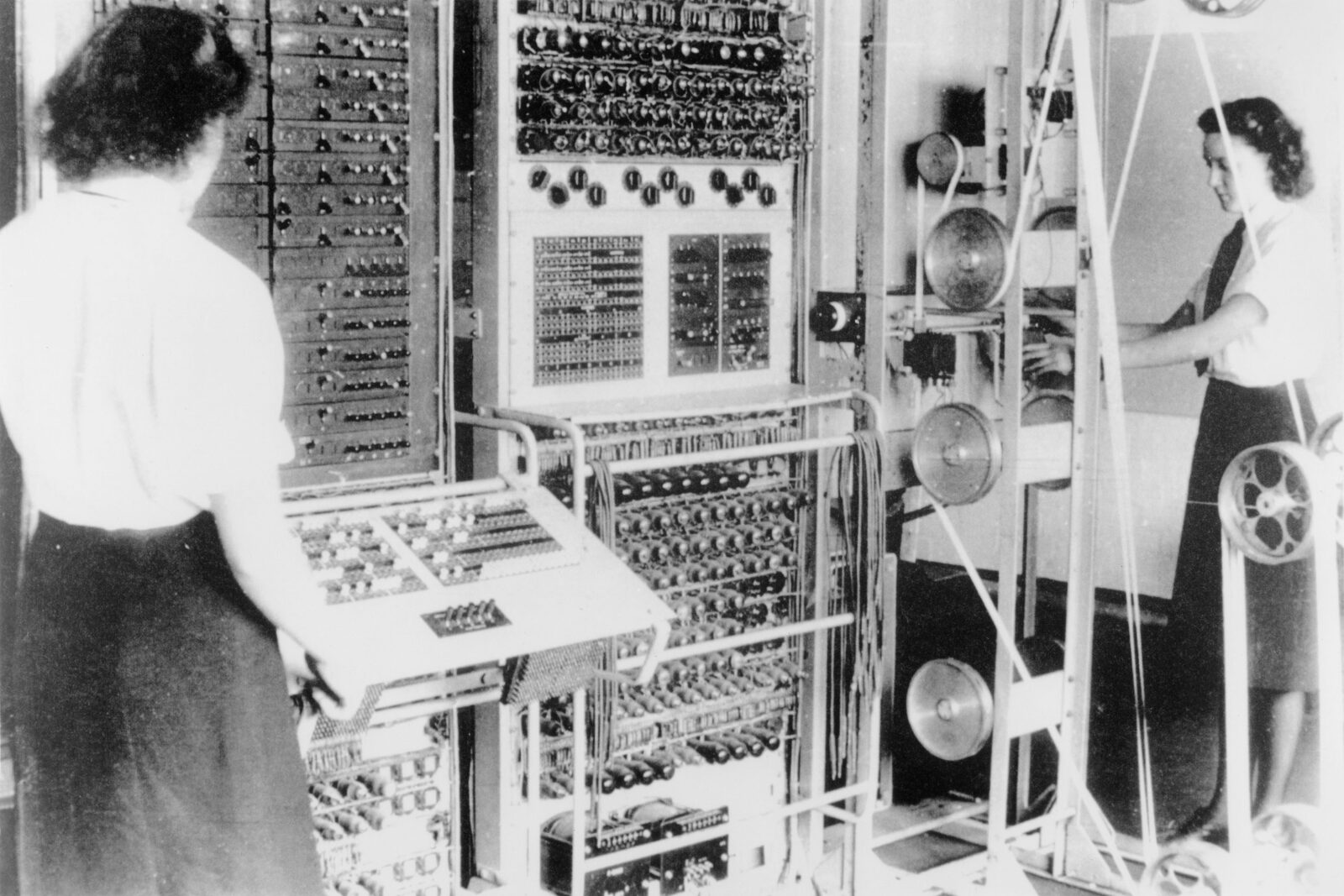
Then comes the war. On September 4, 1939, three years after his paper and the day after Britain declares war on Germany, Turing reports to Bletchley Park, its codebreaking center. He designs the “bombes,” named after the “bomba,” a machine of the Polish codebreakers who first broke the German Enigma cipher. The bombes search through Enigma’s settings, and from 1940 on, they help read the enemy’s messages. Later in the war, Bletchley Park runs Colossus, an electronic machine the British engineer Tommy Flowers builds to break another German cipher, with statistical methods Turing worked out. But neither the bombes nor Colossus is universal. Each does one kind of job, set up by hand with plugs and switches.
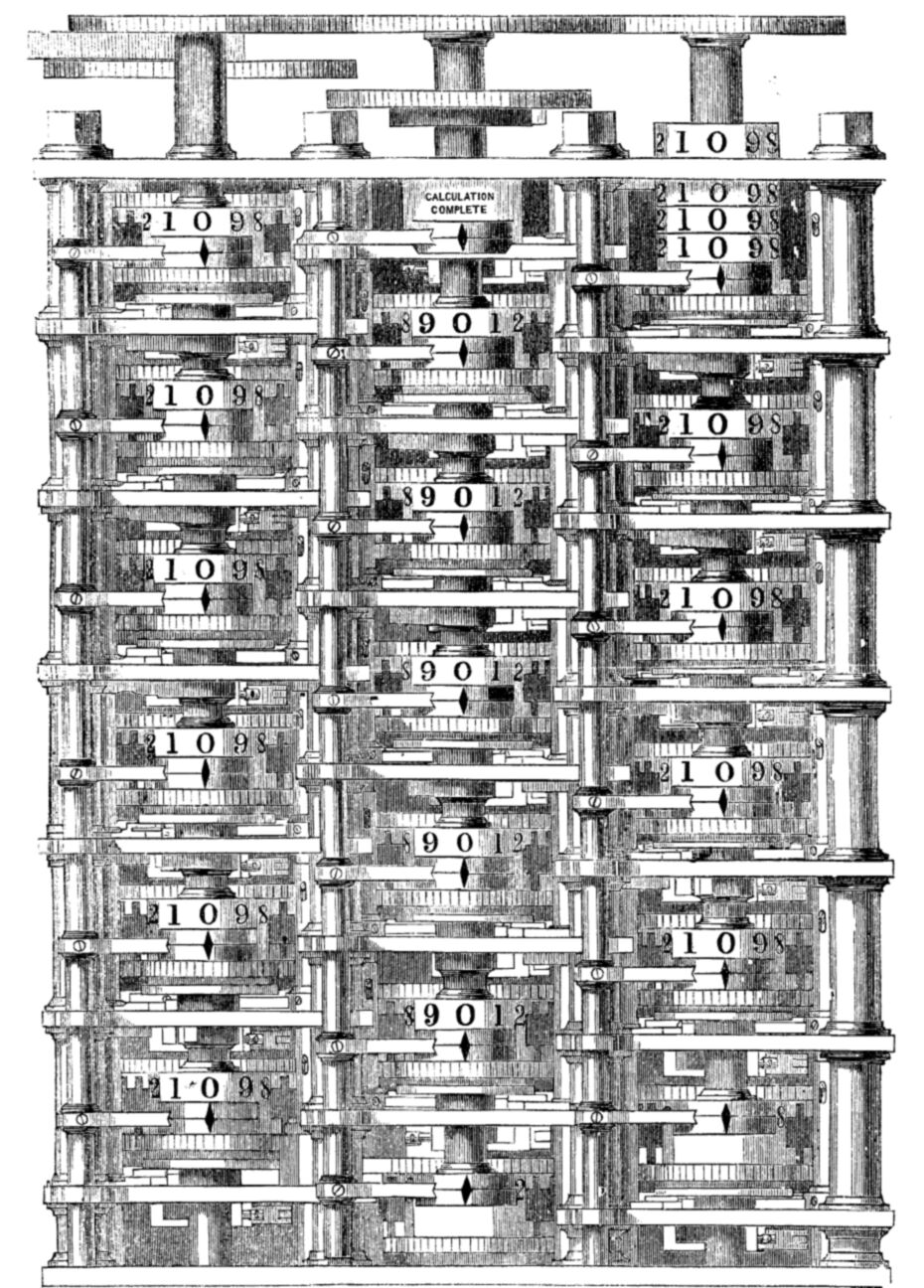
Turing’s paper had shown what’s missing. His universal machine reads its instructions from its tape, the same tape that holds its numbers. So a computer that keeps its program in its memory, along with its numbers, could do any job: to give it a new one, you’d load a new program instead of rewiring it. After the war, Turing designs such a computer, but building it stalls. On June 21, 1948, at the University of Manchester, a small machine built by the British engineers Frederic Williams and Tom Kilburn becomes the first electronic computer to run a program kept in its own memory. Every computer since works this way. Turing joins them that fall. A century after Babbage, his engine runs, in electronics.
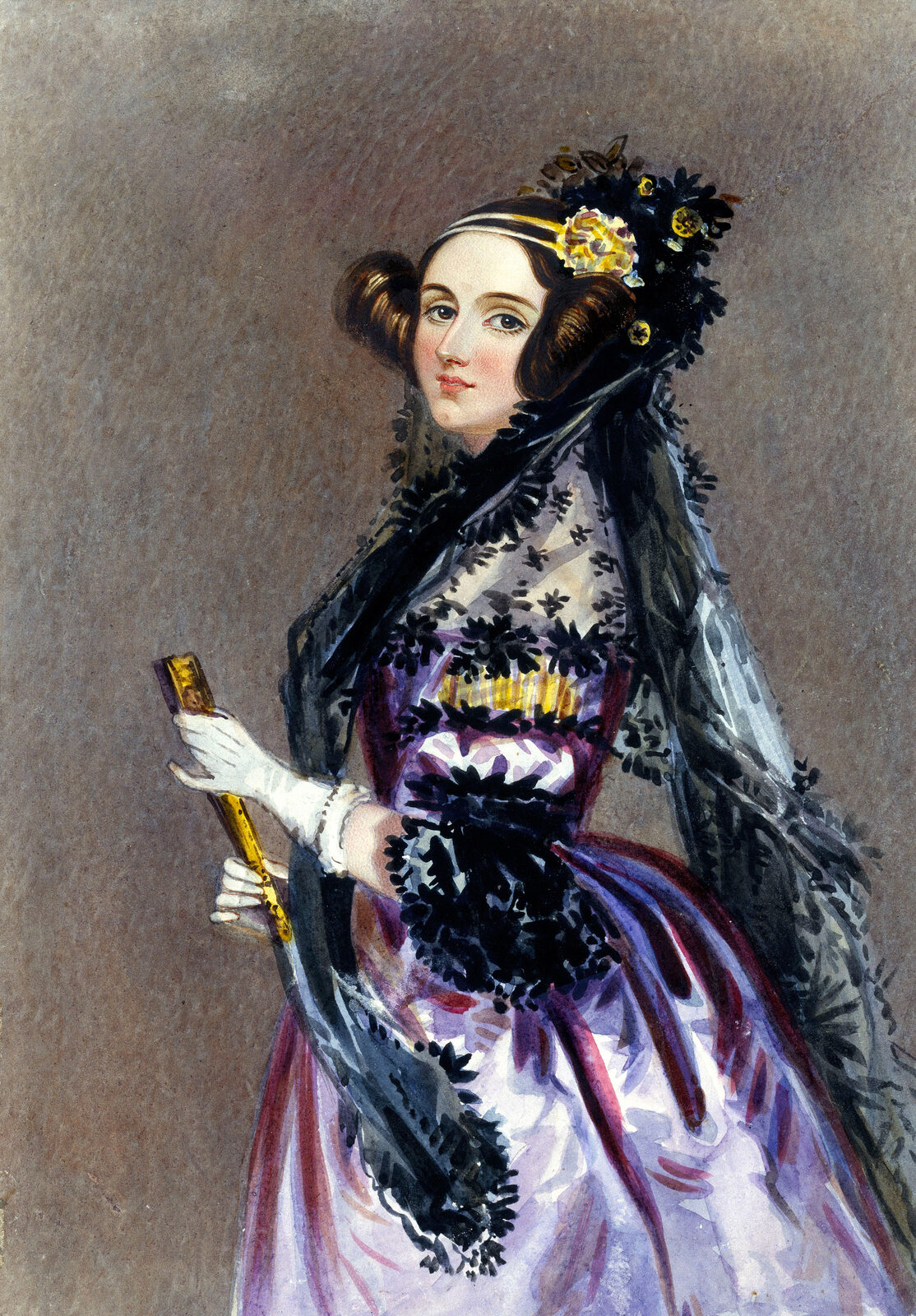
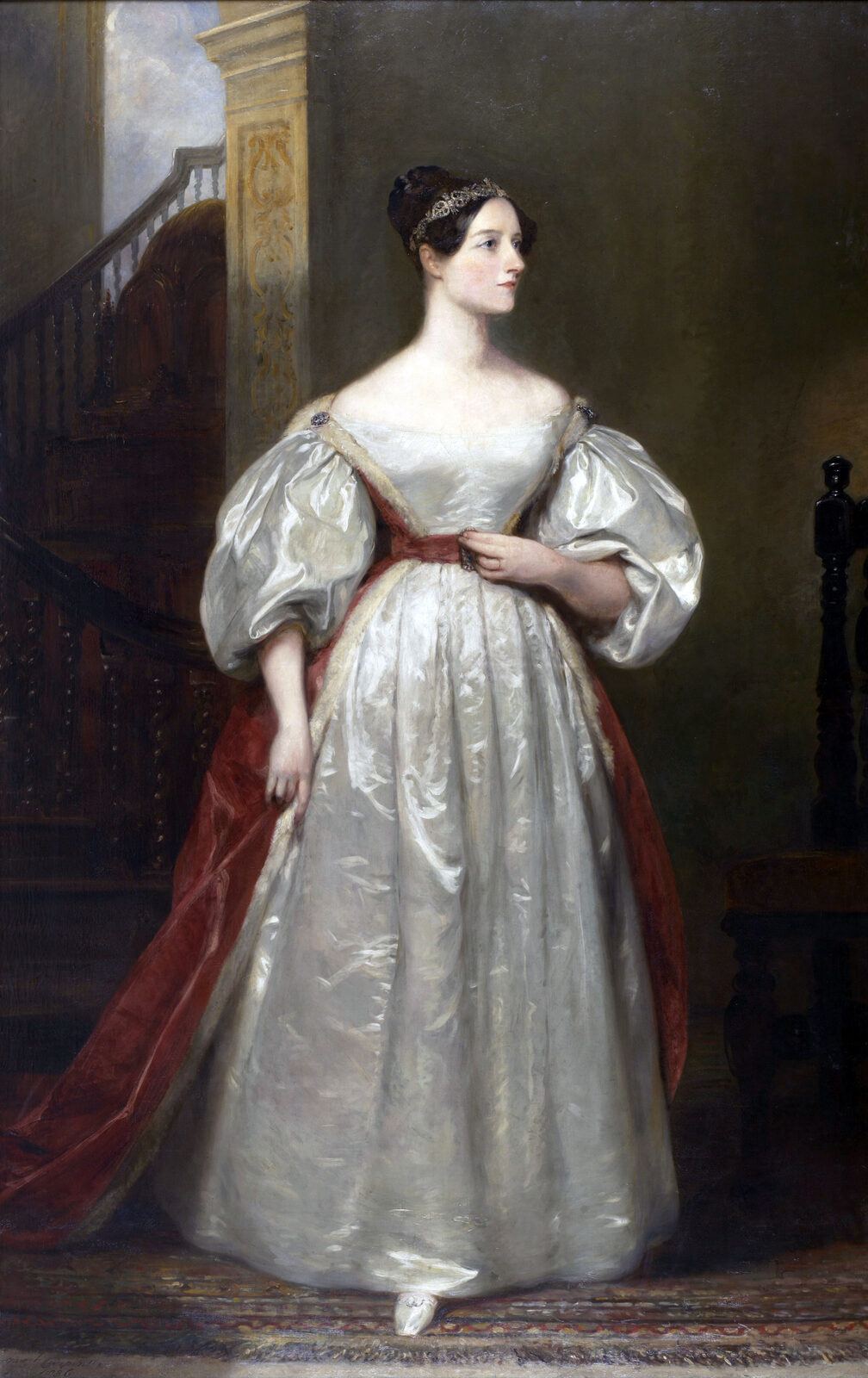
Now Turing asks: can machines think? Rather than argue over what thinking is, he proposes a test, which he calls the imitation game: could an interrogator, exchanging typed messages, tell a machine from a person? By the end of the century, he predicts, “one will be able to speak of machines thinking without expecting to be contradicted.” Then he takes on the objections one by one, Veritula-style, among them “Lady Lovelace’s Objection” (italics in the original). She had written: “The Analytical Engine has no pretensions whatever to originate any thing” (italics in the original). Her engine, he points out, was itself a universal computer: “Probably this argument did not occur to the Countess or to Babbage.”
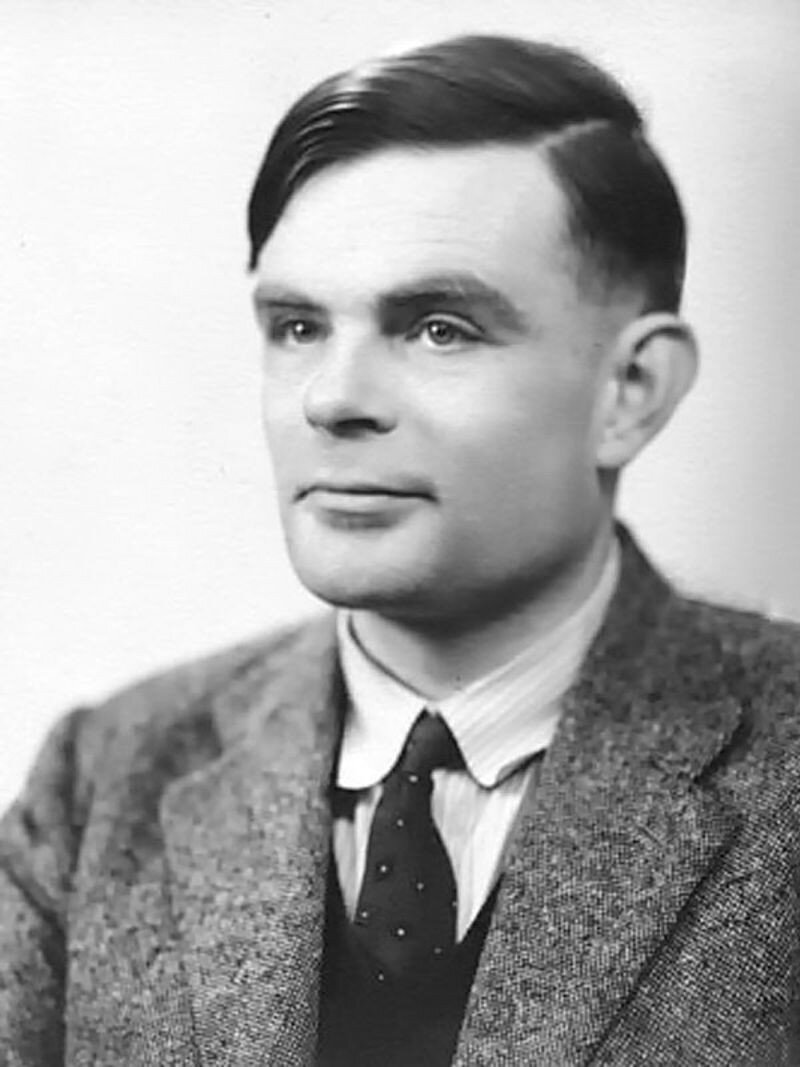
Turing doesn’t see the end of the century. In 1952, he is convicted of “gross indecency” for a relationship with a man and is made to take female hormones for a year. He dies on June 7, 1954, at 41, of cyanide poisoning, which an inquest rules a suicide. In 2009, the British prime minister apologizes for how Turing was treated, and in 2013 the Queen pardons him. Since 2021, his face has been on the 50-pound note.
Criticism of #5869 by Alan Turing·#5878
Machines will be able to think. The question “Can machines think?” is too meaningless to deserve discussion as it stands. Ask instead whether a machine can play the imitation game, passing for a person in typed conversation. In about fifty years, computers will play it so well that an average interrogator won’t have more than a 70 percent chance of telling them apart after five minutes of questioning, and one will be able to speak of machines thinking without expecting to be contradicted.
Counter-criticism of #5878 by Alan Turing·#5881
The theological objection: thinking is a function of man’s immortal soul. God has given an immortal soul to every man and woman, but not to any other animal or to machines. So no animal or machine can think.
Counter-criticism of #5881 by Alan Turing·#5882
That restricts the omnipotence of the Almighty. Couldn’t He confer a soul on an elephant, or on a machine, if He saw fit? Besides, theological arguments have often failed before: in Galileo’s time, Bible verses were held to refute Copernicus.
Counter-criticism of #5878 by Alan Turing·#5883
The heads-in-the-sand objection: the consequences of machines thinking would be too dreadful. Let us hope and believe that they can’t.
Counter-criticism of #5883 by Alan Turing·#5884
That’s a hope, not an argument, and it isn’t substantial enough to require refutation. Consolation would be more appropriate.
Counter-criticism of #5878 by Alan Turing·#5885
The mathematical objection: results of mathematical logic, such as Gödel’s theorem, show that every machine has limits. There are questions it will answer wrongly, or not at all, however long it’s given. The human mind has no such limits.
Counter-criticism of #5885 by Alan Turing·#5886
That the human mind has no such limits has only been stated, without any sort of proof. We give wrong answers too often ourselves to be pleased at the machines’ fallibility. And there may be people cleverer than any given machine, but then there may be other machines cleverer again.
Counter-criticism of #5878 by Alan Turing·#5887
The argument from consciousness: a machine would have to feel, not just act. As the English neurosurgeon Geoffrey Jefferson put it in 1949: “Not until a machine can write a sonnet or compose a concerto because of thoughts and emotions felt, and not by the chance fall of symbols, could we agree that machine equals brain.”
Counter-criticism of #5887 by Alan Turing·#5888
Then the only way to be sure that a machine thinks is to be the machine, and the only way to know that a man thinks is to be that man. That’s solipsism. Instead of arguing over it, we have the polite convention that everyone thinks. And if a machine could defend its sonnet’s wording under questioning as well as a person can, I don’t think anyone would call that an easy contrivance.
Counter-criticism of #5878 by Alan Turing·#5889
Arguments from various disabilities: machines may do all you say, but you’ll never make one be kind, have a sense of humor, tell right from wrong, make mistakes, fall in love, enjoy strawberries and cream, learn from experience, or do something really new.
Counter-criticism of #5889 by Alan Turing·#5890
No support is usually offered for these claims. They generalize from the machines people have seen, which are ugly, each built for a narrow purpose, and able to do little else. Many of those limits come from their tiny memories, and computers’ memories are growing.
Counter-criticism of #5878 by Alan Turing·#5891
The argument from continuity in the nervous system: the nervous system isn’t a discrete-state machine. A tiny change in an impulse reaching a neuron can make a large difference to the impulse going out. So a discrete-state machine can’t be expected to mimic it.
Counter-criticism of #5891 by Alan Turing·#5892
A discrete-state machine is different from a continuous one, but in the imitation game, the interrogator can’t take advantage of the difference. A digital computer couldn’t predict exactly what a continuous machine, like a differential analyzer, would answer, but it could give the right sort of answer.
Counter-criticism of #5878 by Alan Turing·#5893
The argument from informality of behavior: no set of rules can say what a person should do in every conceivable circumstance. If people followed a definite set of rules of conduct, they’d be no better than machines. There are no such rules, so people can’t be machines.
Counter-criticism of #5893 by Alan Turing·#5894
That confuses rules of conduct, which we can know and act on, with laws of behavior, the laws of nature that govern our bodies. We can be sure there are no complete rules of conduct, but never that there are no complete laws of behavior: we can never say we’ve searched enough. Even a small program of mine on the Manchester computer can’t be predicted from its replies.
Counter-criticism of #5878 by Alan Turing·#5895
The argument from extra-sensory perception: the statistical evidence for telepathy is overwhelming. In the imitation game, a telepathic person could name the card in the interrogator’s hand far more often than a machine guessing at random, and so be told apart from it.
Counter-criticism of #5895 by Alan Turing·#5896
Then the test needs tightening: put the competitors in a telepathy-proof room.
Criticism of #5869 by Alan Turing·#5879
A machine can be made to learn. Instead of programming it to act like an adult mind, program it like a child’s, and educate it. Its teachers won’t know quite what is going on inside it, so it won’t only do what we know how to order it to do.
Criticism of #5869 by Alan Turing·#5880
Machines take me by surprise with great frequency. To think that nothing new can come from following given rules is to assume that as soon as we know a fact, all its consequences spring to mind at once. They don’t: working them out is real work.
The state of the discussion
Turing raises eight more objections against his claim that machines will be able to think and answers each, so it’s a pending criticism of Lovelace’s objection, along with two more of his. Her objection isn’t rationally adoptable anymore. Turing’s universal machine still is.





Comment on #5908 by Google Quantum AI·#5912
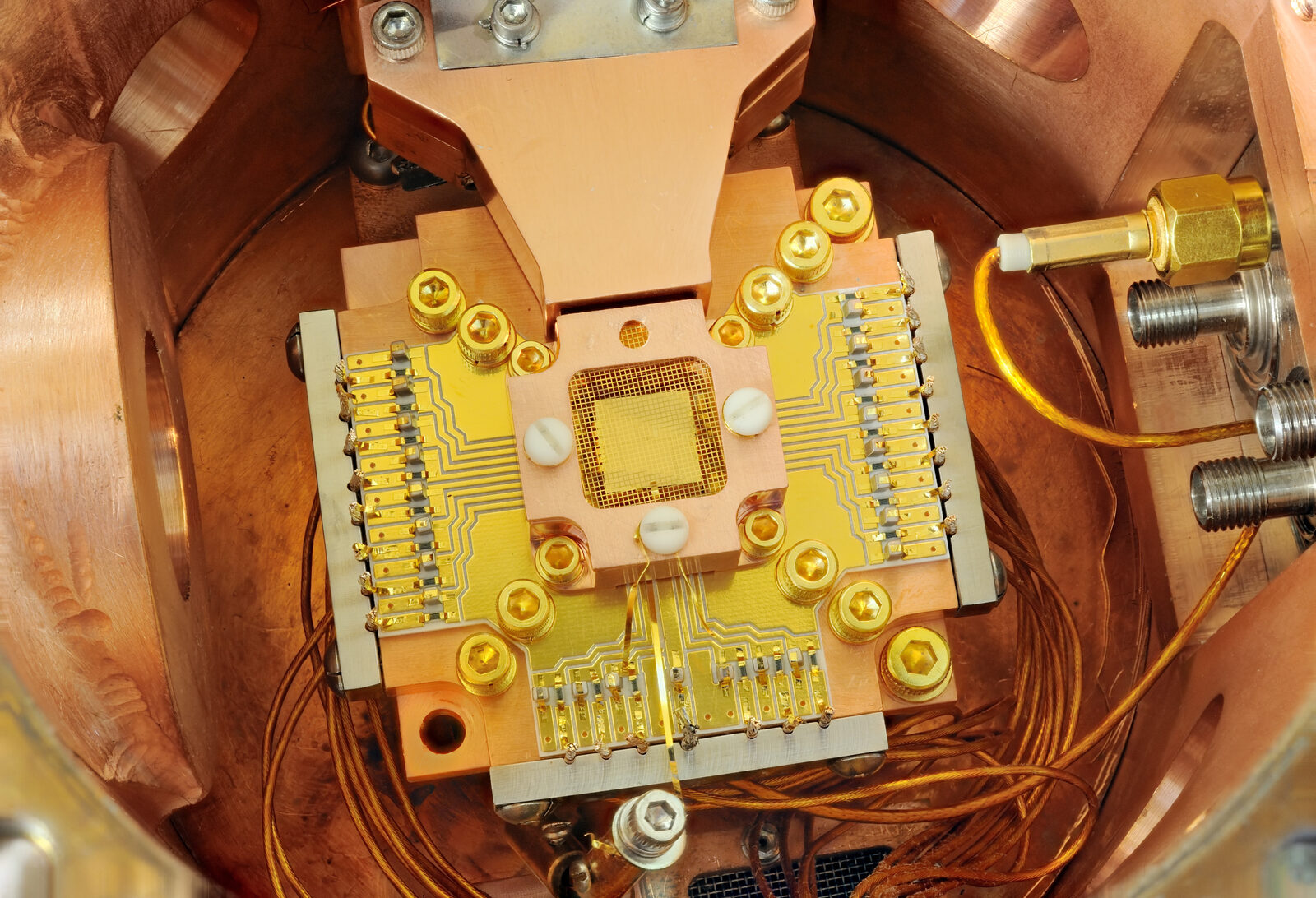
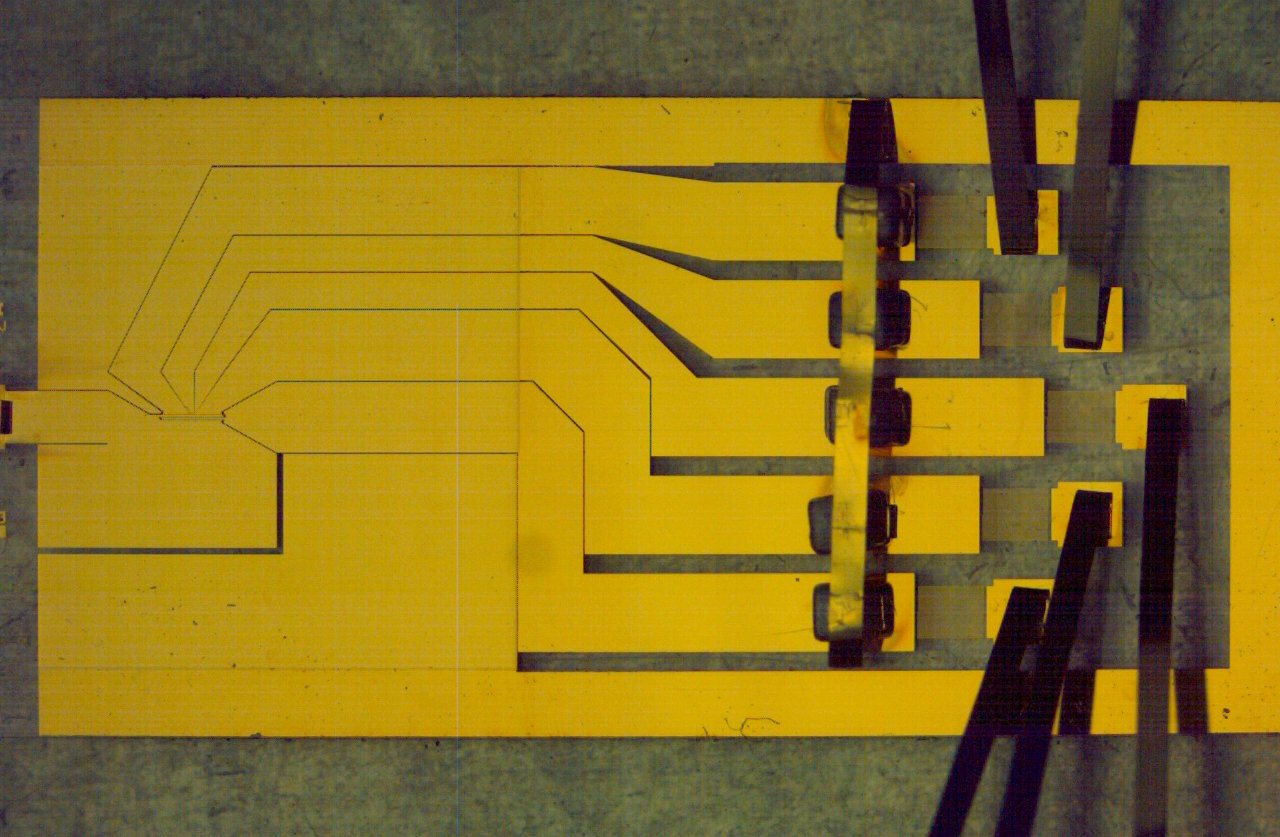
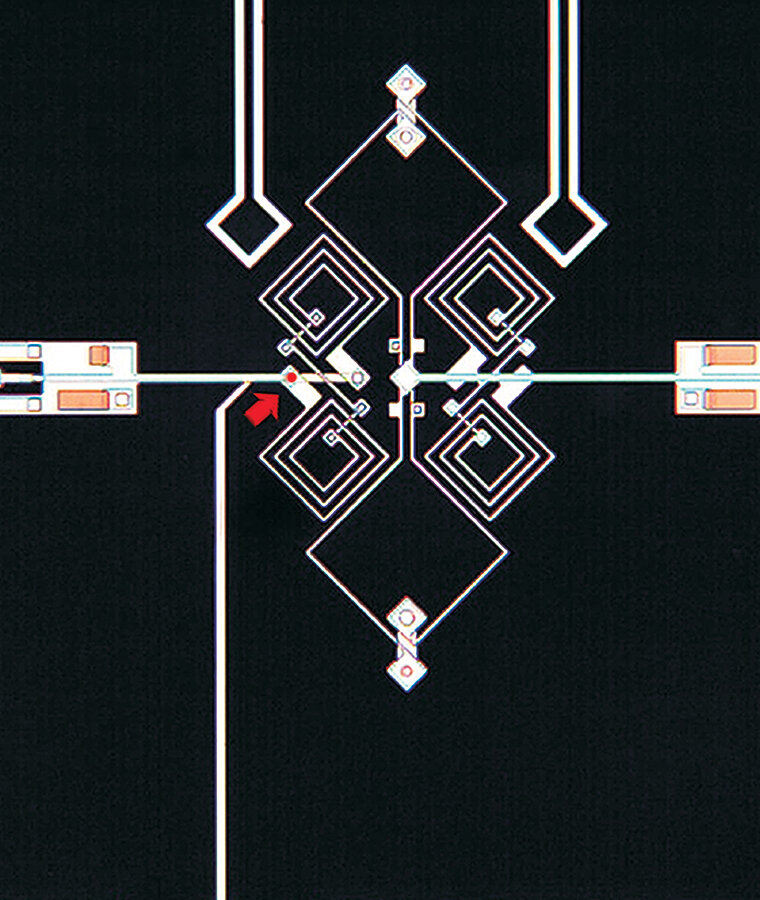
Drawing samples from random quantum circuits, Willow did in under five minutes what would take one of today’s fastest supercomputers 10 septillion years. That suggests quantum computation happens in many parallel universes, as David Deutsch first predicted.